
Affiliate Disclosure: Bama Beach Weather participates in affiliate marketing programs, which means we may earn a commission when you purchase products through certain links in our articles, at no additional cost to you. As an Amazon Associate, I earn from qualifying purchases. These commissions help support Bama Beach Weather and allow us to continue providing local weather information and resources for Coastal Alabama.
If you’ve tried gardening in Coastal Alabama during the summer, you know just how challenging it can be. Between the intense sunshine, scorching temperatures, and tropical humidity, keeping plants happy is basically a full-time job. But as summer winds down and “cooler” weather starts to settle in, we can *finally* breathe a little easier.
Fall brings a fresh opportunity to get back into the garden, with more vegetables, flowers, and other plants that can thrive without battling the worst of our summer heat.
The trick is knowing what to plant and when!
Some vegetables need to go into the ground in late summer, while others can be planted in October. While we have to work around warm temperatures, sandy or clay soil, heavy rain, and the occasional winter freeze, with a little planning we can make the most of the fall gardening season along the Alabama Gulf Coast.
What Vegetables Can We Plant in Fall in Coastal Alabama?
Cool-season vegetables are a great place to start when planning a fall garden. Many of these plants prefer cooler temperatures and can keep producing well into the winter when we plant them at the right time.
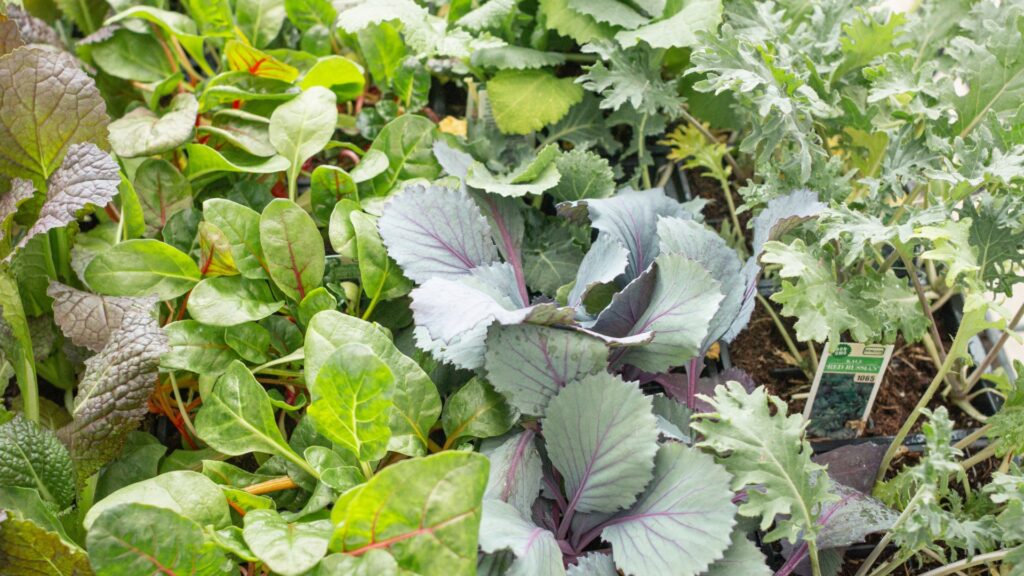
Leafy greens are some of our best options.
Collards, kale, mustard greens, turnip greens, and spinach can all be good additions to a fall garden.
Lettuce is another option, although our warm October weather can make it tricky to get seeds started.
We can also grow broccoli, cabbage, and cauliflower during the cooler months. If we’re getting a late start, buying transplants instead of growing these vegetables from seed may give us a better chance of success.
Just be sure to check how long each variety takes to mature before planting.
Root vegetables are worth considering, too.
Carrots, radishes, beets, and turnips can grow well in the right conditions. Radishes are especially handy if we’re looking for something that grows quickly. Carrots take longer, so we have to pay close attention to planting dates as winter approaches.
Looking for something a little different? Parsley and cilantro are also worth considering for a fall herb garden, along with suitable onion varieties.
Not sure where to start? You can find plant-specific recommendations in Bama Beach Weather’s Fall Gardening Guide.
When Should We Plant a Fall Garden?
One thing to remember about fall gardening in Coastal Alabama is that we can’t always wait for cooler weather to start planting. Many fall vegetables need to go into the ground while warmer temperatures linger so they have enough time to grow before winter.
August and September are important planting months for many fall plants. By October, our options become a little more limited, but you can still plant certain vegetables, especially quick-growing crops and varieties that handle cooler weather.
In September, afternoon temperatures are still around 85-90 degrees, and in October, between 80-85 degrees, on average.
Depending on the crop and local conditions, October can still be a good time to plant vegetables such as radishes, turnips, collards, and kale.
Before we start planting, there are a few things to keep in mind:
- Check the days to maturity. Seed packets and plant tags usually tell us how long a vegetable takes to grow. We can use that information to figure out whether there’s enough time left in the season.
- Consider starting with transplants. If we’ve missed the ideal window for a slower-growing crop, a healthy transplant can give us a head start.
- Pay attention to temperatures. Even in fall, our soil can stay warm enough to make germination difficult for certain cool-season vegetables. Consider purchasing a soil thermometer (#ad).
If we’re just getting started in October, we don’t have to plant everything at once. Choose a few vegetables suited to the remaining growing season to get started without taking on too much.
How Can We Get Our Garden Beds Ready?
Before we start planting, let’s give our garden beds a little attention. Clearing out old plants, weeds, and diseased plant material gives our new crops a cleaner place to grow.
We can also loosen compacted soil and work in some finished compost. This helps improve soil structure and gives plant roots better access to moisture and nutrients. If we’re unsure what our soil needs, a soil test can help us decide whether we need to add fertilizer, lime, or other amendments.
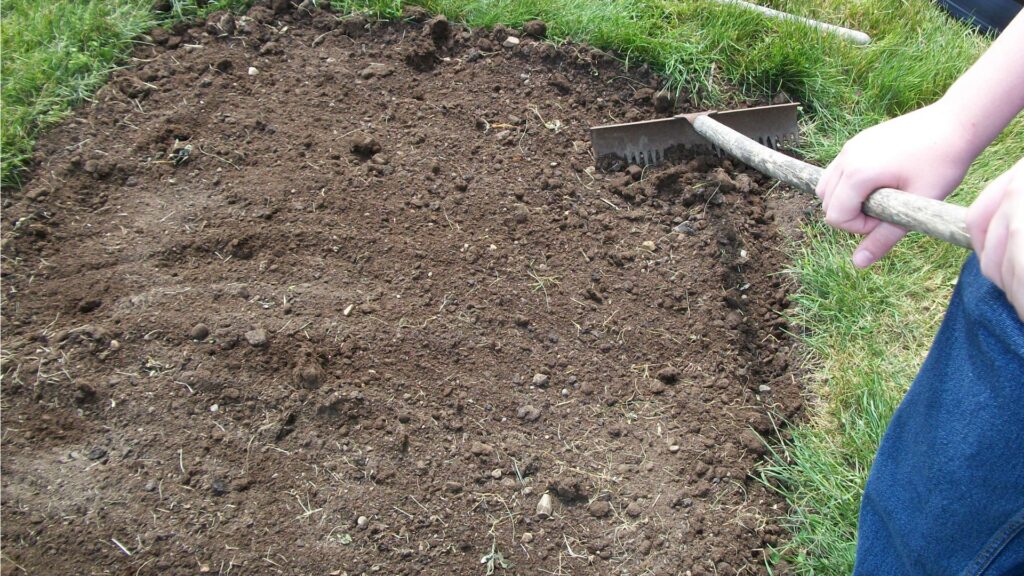
Litmus-style tests can give you a general idea of what your soil needs, but a 7-in-1 soil test meter (#ad) gives you more specific measurements to help you figure out what’s going on with your soil.
Drainage can be another issue occurring along the Alabama Gulf Coast.
Heavy rain can leave garden beds soggy, and most vegetables don’t like having their roots sitting in water for long periods. If your yard tends to stay wet after a rainstorm, raised beds or a better-drained planting area may be worth considering.
If we’re replanting an area we used for summer vegetables, rotating plants can also help. Growing the same types of vegetables in the same spot year after year can contribute to recurring pest and disease problems.
And don’t forget about sunlight!
Most vegetables need several hours of direct sunlight each day. Before planting, let’s make sure our garden gets enough light for the crops we’re planning to grow.
What If My Soil Is Too Sandy?
Sandy soil is pretty common in parts of Coastal Alabama, and the good news is that we can still grow plenty of vegetables in it. In fact, loose soil can be helpful for root crops because it gives roots room to develop.
The downside? Sandy soil drains quickly, which means it can dry out faster and doesn’t hold nutrients as well as soil with more organic matter.
One of the easiest ways to improve this it is by mixing finished compost into our garden beds or containers before planting. Compost helps the soil hold onto moisture and nutrients while still allowing excess water to drain.
Some vegetables we can consider for sandy soil include:
- Radishes: A quick-growing option for smaller gardens. We’ll just need to keep the soil consistently moist while they grow.
- Turnips: A great fall choice that gives us both edible roots and greens.
- Collards: A hardy leafy green that can do well when we provide enough water and nutrients.
- Kale: Another good cool-season option that benefits from healthy soil and consistent moisture.
- Carrots: Loose soil can help carrots grow straight, but adding organic matter can improve moisture retention and help support healthy root development.
Mulch can also help slow down moisture loss, especially during dry stretches. And before adding fertilizer or other soil amendments, it’s worth getting a soil test so we know what our garden actually needs.
Which Fall Flowers Can We Grow in Coastal Alabama?
Our fall gardens don’t have to be all about vegetables! We can also add some seasonal color to our porches, patios, containers, and flower beds as summer blooms begin to fade.
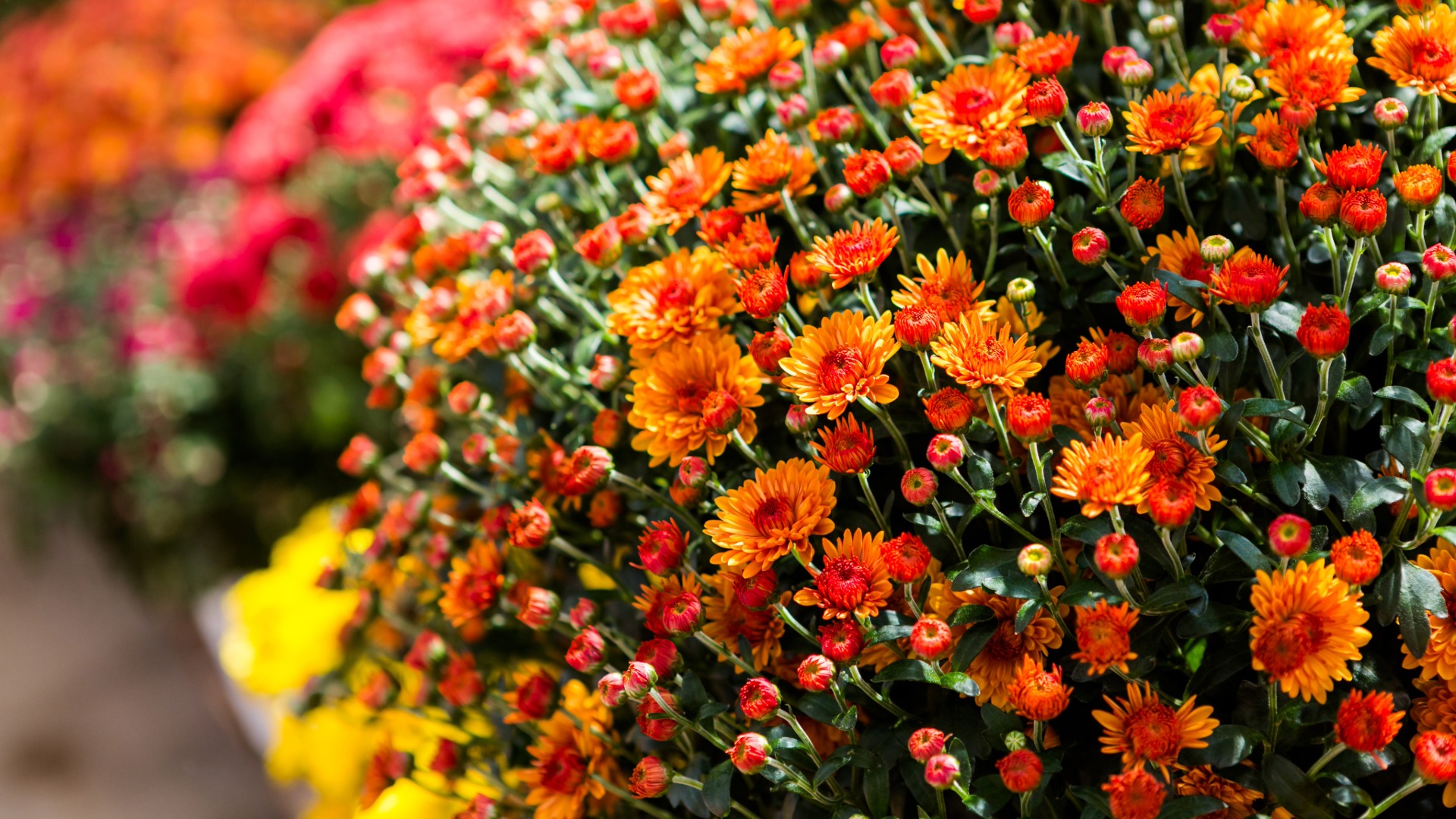
Mums are the quintessential fall flowers. Whether we place them beside the front door or use them to brighten up a flower bed, they’re an easy way to bring some autumn color into our yards. Look for healthy plants, provide good drainage, and water as needed while they get established.
We can also try ornamental cabbage and kale. These plants are grown for their colorful foliage, which can add shades of purple, white, and green to containers and landscape beds.
What Else Should We Do Around the Yard This Fall?
If you’ve been thinking about adding trees or shrubs, cooler weather can help many plants get established before next summer’s heat returns. You’ll want to choose varieties that fit your yard’s sunlight, soil, and drainage conditions. Even when temperatures cool down, newly planted trees and shrubs still need regular watering while their roots establish.
Adding fresh mulch around garden beds and landscape plants can help the soil retain moisture and protect from moderate temperature changes. Just remember to keep mulch away from direct contact with tree trunks and plant stems.
We can also use this time to pull weeds, check plants for signs of insects or disease, and tidy up the landscape.
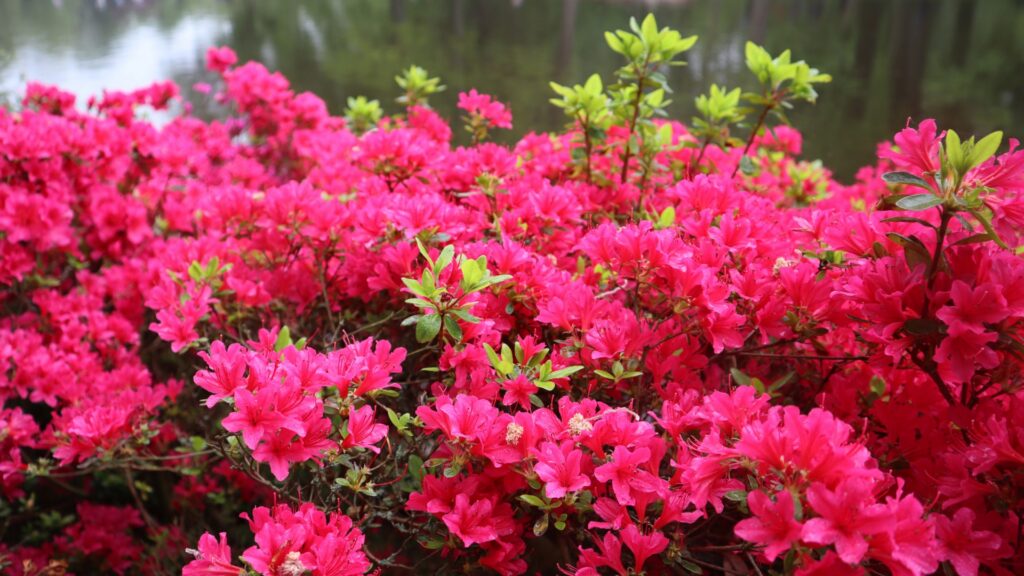
One thing to avoid is unnecessary pruning of spring-flowering shrubs, like azaleas and hydrangeas. Pruning at the wrong time can remove flower buds that would otherwise bloom next spring.
How Can We Protect Our Gardens From a Freeze?
The fall season across Coastal Alabama is generally warm compared to many other parts of the country, but that doesn’t mean we don’t have to worry about cold temperatures. A strong cold front can damage tender flowers, vegetables, and container plants, especially when temperatures drop below freezing.
When colder weather is in the forecast, here are a few ways we can offer our plants a little extra protection.
- Cover sensitive plants. Frost cloth or other suitable breathable coverings (#ad) can help protect plants when freezing temperatures are expected. Secure the coverings so they don’t blow away.
- Bring potted plants into a sheltered area. If we have plants that are sensitive to cold, moving their containers under a covered porch or into another protected location can help.
- Pay attention to soil moisture. Newly planted crops shouldn’t dry out, but we also want to avoid leaving our garden beds waterlogged before a cold snap.
- Know which plants can handle the cold. Established collards and some other hardy vegetables can tolerate colder conditions than tender summer flowers.
- Remove coverings when appropriate. As temperatures rise, uncover plants when conditions allow so they can receive sunlight and adequate ventilation.
The amount of protection our plants need depends on the variety, how cold it gets, and how long the cold-snap lasts. A chilly night isn’t the same as a hard freeze, so keeping an eye on the Bama Beach Weather forecast can help us decide what to do.
What Fall Gardening Mistakes Should We Avoid?
Even with our relatively mild climate, a few common mistakes can make fall gardening more difficult than it needs to be.
- Waiting too long to plant: Some vegetables need several weeks or months to mature. Checking planting dates before getting started can save both time and frustration.
- Over/Underwatering: Fall may bring cooler temperatures, but it also brings our driest months of the year. Check the soil and adjust as needed, especially after heavy rain.
- Ignoring drainage: Making sure excess water can drain away helps protect plant roots.
- Skipping soil preparation: Adding compost, removing weeds, and loosening hardened soil can give new plants a better start.
- Assuming frost won’t happen: Coastal Alabama has a relatively long growing season, but occasional freezes are still possible. Having frost cloth and a plan for sensitive plants can make cold snaps less stressful.
- Forgetting about sunlight: Before planting, let’s make sure our vegetables and flowers will get the light they need to grow well.
Our Fall Gardening Calendar for Coastal Alabama
Not sure what to tackle first? We can use this general calendar to plan our gardening tasks as the season progresses.
August and September: This is an important time to prepare our garden beds, plant many fall vegetables, and get transplants established. Crops that need a longer growing season often need to get their start during these months.
October: We can continue planting suitable cool-season vegetables, add fall flowers, refresh mulch, and work on landscape beds. It’s also a good time to check planting recommendations before starting crops that need more time to mature.
November: We can focus on hardy vegetables, seasonal flowers, and preparing sensitive plants for colder nights. If the weather cooperates, we can also take care of planting and landscaping projects.
December and January: We’ll want to keep an eye on freeze forecasts, protect vulnerable plants, and harvest vegetables as they mature. Hardy crops may continue producing through winter, depending on temperatures and growing conditions. We can also start planning what we’d like to grow in the spring.
These are general seasonal guidelines, not exact planting dates. For more specific advice, we can check the Alabama Gardener’s Calendar for October and the Extension System’s regional planting charts.