Hurricane season is winding down, but staying prepared shouldn’t end.
As we cruise through November, hurricane season is nearing its end with the official end on November 30. After months of watching the tropics, tracking disturbances, and preparing for the possibility of a landfalling storm, it’s tempting to put the emergency supplies away and shift our attention to the holidays.
But living along Alabama’s Gulf Coast means our weather concerns don’t disappear when hurricane season ends.
In fact, we’re heading into another stretch of the year when it’s important to be prepared. Fall brings a secondary severe weather season to the Gulf Coast, winter can occasionally bring freezing temperatures and icy conditions, and spring brings another round of potentially dangerous thunderstorms and tornadoes.
And before we know it, we’ll be talking about hurricane season again.
The types of weather we face may change throughout the year, but one thing remains the same: having a plan and keeping a few essential supplies on hand can make a big difference when severe weather strikes.
The good news is that you don’t need a completely different emergency kit for every season. Many of the supplies that help during a hurricane are just as useful during a tornado warning or an unexpected power outage. The key is knowing what you can keep year-round, what needs to be rotated, and what you should wait to purchase until a specific threat approaches.
Staying Prepared Doesn’t End With Hurricane Season
Along the Gulf Coast, we tend to associate emergency preparedness with hurricanes, which is understandable. Tropical systems can bring widespread impacts, extended power outages, flooding, and the possibility of evacuating.
However, smaller-scale weather threats can develop with much less warning, which is why staying prepared is so important.
Fall Severe Weather
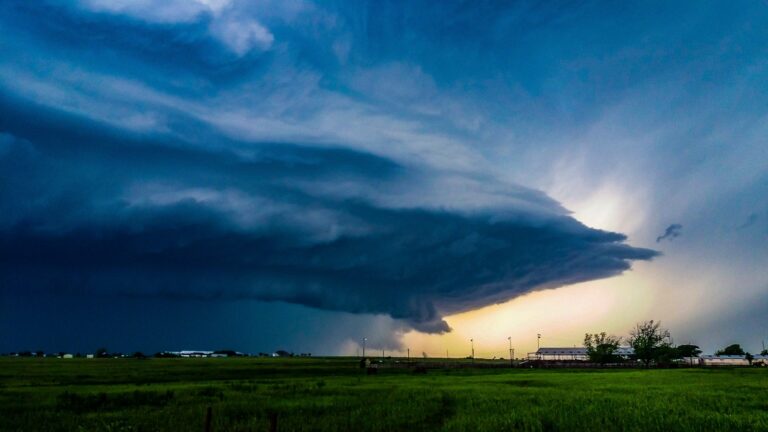
November and December can bring another round of thunderstorms across the Deep South when strong cold fronts come through. Damaging winds, tornadoes, hail, and heavy rainfall are all possible. Unlike hurricanes, tornado warnings can develop quickly, leaving little time to gather supplies once warnings are issued.
Winter Weather
Freezing temperatures, ice, and occasional winter storms can create problems that we’re not very accustomed to handling along the Gulf Coast. Even a small amount of snow and ice can make roads dangerous, disrupt travel, and lead to power outages. Having a way to stay warm and enough supplies to remain home can be important.
Spring Severe Weather
By the time we reach spring, the threat of strong thunderstorms and tornadoes returns. Having a safe place to shelter, working weather alerts, and emergency supplies readily available becomes important again.
Hurricane Season
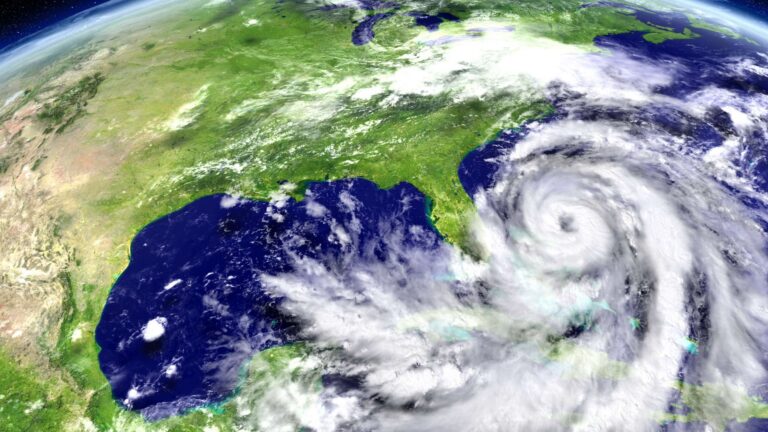
By June, our attention turns back to the tropics. Hurricanes require additional planning for possible evacuations, extended power outages, and disruptions to everyday services.
While each season brings different weather challenges, many of the preparations tend to overlap.
What You Can Keep on Hand All Year
Rather than starting from scratch every time the weather changes, build a basic emergency supply kit that works for multiple situations.
Think about what your household would need if the power went out, stores temporarily closed, or you couldn’t safely leave home for a few days.
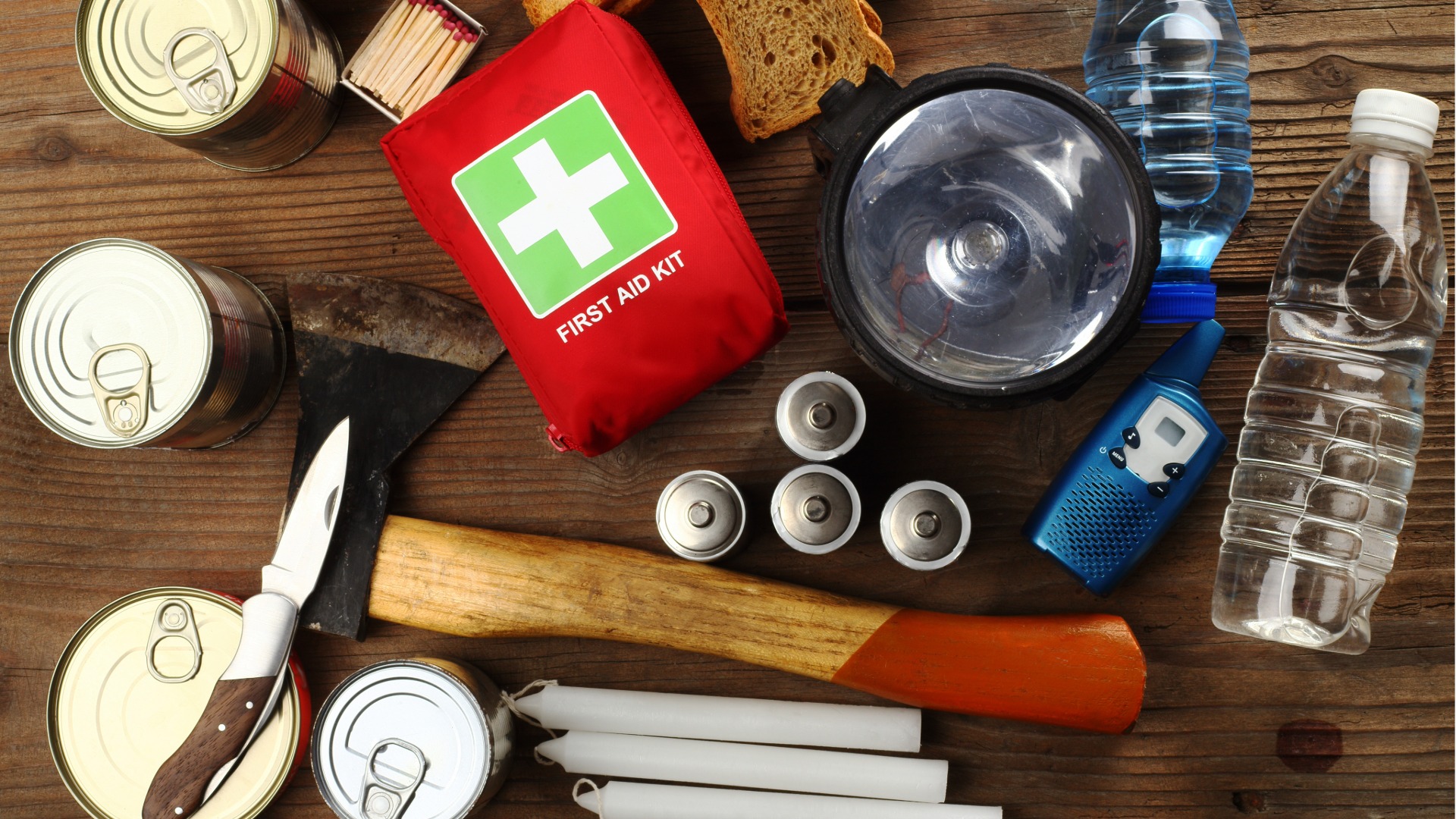
Some of the most useful items for staying prepared include:
- Drinking water. Plan for at least one gallon per person per day for a minimum of three days. Remember to account for pets and additional household needs.
- Non-perishable food, including canned goods, crackers, peanut butter, and other shelf-stable options.
- A manual can opener.
- Flashlights and battery-powered lanterns.
- Extra batteries.
- A NOAA Weather Radio.
- Portable phone chargers and power banks.
- A basic first aid kit.
- Prescription medications and necessary medical supplies.
- Personal hygiene items, including toilet paper, wipes, soap, and hand sanitizer.
- Heavy-duty trash bags.
- Cash in smaller bills.
- Copies of important documents in waterproof storage.
- Sturdy shoes and work gloves.
- A fire extinguisher.
- Tarps.
- Insect repellent.
- Extra prescription glasses.
There are also a few items that are pretty useful for households with animals:
- Pet food, medications, leashes, and carriers.
- Copy of rabies shots or other vaccinations.
If you have young children, elderly family members, or anyone who relies on electricity for medical equipment, consider what additional supplies they may need.
You don’t have to purchase everything at once. Add a few items during regular shopping trips and build your kit over time. It also doesn’t necessarily need to be stored separately from your everyday items. Just having these items on hand, and knowing where they are helps tremendously
What Should You Rotate or Avoid Storing Long-Term?
Having emergency supplies is helpful, but only if they’re still safe and usable when you need them.
Some items have expiration dates, lose effectiveness over time, or require special storage conditions.
Gasoline
This is one of the biggest things to think twice about when preparing for hurricane season. Gasoline can deteriorate during storage, especially in hot conditions. Fuel stabilizers may help extend its usable life when used according to manufacturer instructions, but they don’t make gasoline maintenance-free.
If you keep gasoline for a generator, use approved containers and follow the manufacturer’s recommendations for storage and rotation. Store fuel in a cool, well-ventilated location away from ignition sources and living areas. Never store gasoline inside your home, basement, or attached garage.
For many households, it makes more sense to purchase fresh fuel when a storm approaches rather than keeping gasoline sitting around for months. However, we still need to be mindful that others will also be fueling up at the same time, so plan accordingly.
Food and Water
Check expiration dates and replace supplies as needed. It’s easy to pick up a couple cases of water at a time and keep rotating those out with new cases.
Medications
Pay attention to expiration dates and storage instructions. Some medications require specific temperature conditions, so don’t leave them sitting in a hot garage or vehicle.
Batteries and Electronics
Batteries have shelf lives, while rechargeable devices slowly lose their charge. Check batteries regularly and recharge portable power banks every few months.
Propane
Store cylinders according to manufacturer and fire safety guidelines. Never keep portable propane cylinders inside your home.
What to Add When a Specific Weather Threat Approaches
Your year-round emergency kit is a starting point for staying prepared. When a particular weather threat enters the forecast, there are a few additional steps worth taking.
Before Severe Weather Approaches
- Create a plan and identify a safe shelter location inside your home.
- Make sure everyone in your household knows where to go during a tornado warning.
- Keep sturdy shoes, helmets, and flashlights accessible.
- Enable wireless emergency alerts on your phone.
- Charge phones and portable battery packs.
- Make sure your weather radio is working.
Before Winter Weather
- Have extra blankets, sleeping bags, and warm clothing readily available.
- Purchase additional groceries and drinking water.
- Check/wrap exposed plumbing and know how to shut off your water.
- Protect pipes according to local guidance, usually by allowing faucets to drip.
- Check your vehicle’s battery, tires, and antifreeze.
- Make sure your heating system is working properly.
- Have a safe backup plan if the power goes out.
Never use a grill, camp stove, or outdoor propane heater inside your home as an alternative heat source. These can produce dangerous levels of carbon monoxide.
Before Hurricane Season
- Review evacuation routes and identify where you would go.
- Know your evacuation zone.
- Refill prescriptions and gather medical supplies.
- Fill vehicle gas tanks and spare gas containers before conditions deteriorate.
- Have cash available.
- Secure outdoor furniture, boats, and other loose items.
- Gather important documents and evacuation supplies.
- Make arrangements for pets.
- Check generator maintenance and fuel requirements.
- Prepare for potentially extended power outages.
Remember, having enough supplies at home doesn’t mean it’s safe to stay during an evacuation. Follow instructions from local emergency management officials.
Don’t Forget Your Vehicle
Staying prepared doesn’t stop at your front door. It’s worth keeping a few basic supplies in your vehicle, too.
Consider keeping a flashlight, phone charger, a first aid kit, jumper cables or a jump starter, a blanket, and a small amount of cash, plus bottled water and shelf-stable snacks in cooler months.
During winter weather, add warm gloves, an extra change of clothes and a windshield scraper. During hurricane season, try to keep your gas tank at least half full when possible.
Just remember that food, water, and other temperature-sensitive supplies shouldn’t be left in a hot vehicle indefinitely. Check and replace those items regularly.
Make Preparedness a Year-Round Routine
Regularly checking your emergency supplies is one of the easiest ways to make staying prepared a year-round habit, rather than waiting until a storm is in the forecast.
A simple schedule can help:
- Every three months: Test flashlights, radios, and portable chargers. Check batteries and replace anything that isn’t working.
- Every six months: Review food and medication expiration dates, check water supplies, and replenish pet supplies.
- Once a year: Review your family’s emergency plan, evacuation routes, insurance information, and emergency contacts.
- Before winter: Check heating equipment, exposed pipes, blankets, and cold-weather supplies.
- Before hurricane season: Take inventory of supplies, check generator maintenance, and review your evacuation plan.
You can even make this a family activity. Make sure everyone knows where supplies are stored, where to go during a tornado warning, and what to bring if an evacuation becomes necessary.
A Little Preparation Goes a Long Way
From fall thunderstorms and winter cold snaps to spring severe weather, there are plenty of reasons you should be staying prepared.
The goal isn’t to predict exactly when or where the next storm will happen. It’s to make sure you’re not starting from scratch when one does.
You don’t need a garage full of supplies or an expensive emergency setup. Start with the basics, build your kit over time, and make adjustments as the seasons change.
Because staying prepared along Alabama’s Gulf Coast isn’t just a summer activity. It’s something we need to think about all year long.